Archives
- 2026-08
- 2026-07
- 2026-06
- 2026-05
- 2026-04
- 2026-03
- 2026-02
- 2026-01
- 2025-12
- 2025-11
- 2025-10
- 2025-09
- 2025-03
- 2025-02
- 2025-01
- 2024-12
- 2024-11
- 2024-10
- 2024-09
- 2024-08
- 2024-07
- 2024-06
- 2024-05
- 2024-04
- 2024-03
- 2024-02
- 2024-01
- 2023-12
- 2023-11
- 2023-10
- 2023-09
- 2023-08
- 2023-07
- 2023-06
- 2023-05
- 2023-04
- 2023-03
- 2023-02
- 2023-01
- 2022-12
- 2022-11
- 2022-10
- 2022-09
- 2022-08
- 2022-07
- 2022-06
- 2022-05
- 2022-04
- 2022-03
- 2022-02
- 2022-01
-
As the experimental procedure used could
2024-04-10
As the experimental procedure used could reflect agonist-stimulation of both anterograde and retrograde APJ trafficking, as has been described for the δ-opioid peptide receptor (Zhang et al., 2006b, Zhang et al., 2006a), receptor internalization was more directly monitored by loading cell surface HA
-
KU14R br Depletion of serum amino acids Currently the
2024-04-09
Depletion of serum amino acids Currently, the only anticancer agents that directly target amino KU14R metabolism are bacterial l-asparaginases (from Escherichia coli and Erwinia chrysanthemi), which are FDA-approved for treatment of pediatric and adult ALL. A potential complication of using bact
-
Oseltamivir acid australia Aberrant or a sustained activatio
2024-04-09
Aberrant or a sustained activation of AhR signaling pathway, triggered by exogenous toxic ligands such as dioxins, PAHs or polychlorinated biphenyls (PCBs), is a well-described biological process engaged during tumor initiation and/or promotion in various tissues (e.g. liver, lung, skin)(reviewed in
-
Further investigations were concerned to
2024-04-09
Further investigations were concerned to study the mechanisms by which GABA modulates adenosine-mediated effects in hippocampal tissue. From these results it can be concluded that endogenous GABA exerts an inhibitory effect through GABAA receptors via a predominant adenosine-mediated action and this
-
XMD8-92 It is interesting that Li et al
2024-04-09
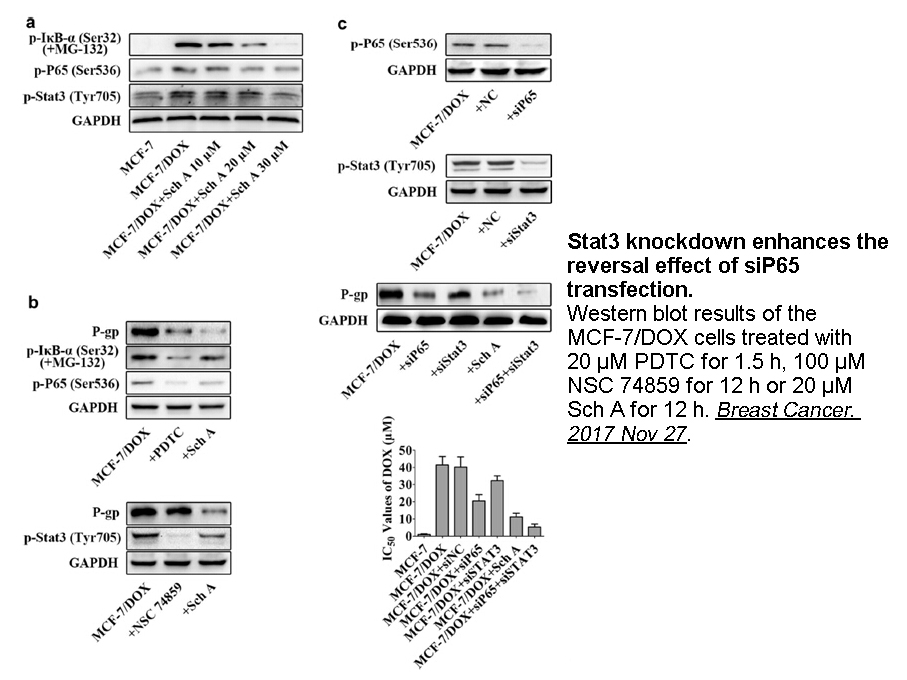
It is interesting that Li et al. (2008) reported that AChR-immunized FcγRIIB knock out (KO) mice are significantly resistant to antibody-mediated EAMG. This is in contrast with previous studies, but does not contradict the results presented here. Despite their observation that the incidence and seve
-
ACh induced changes in respiratory frequency could be of int
2024-04-09
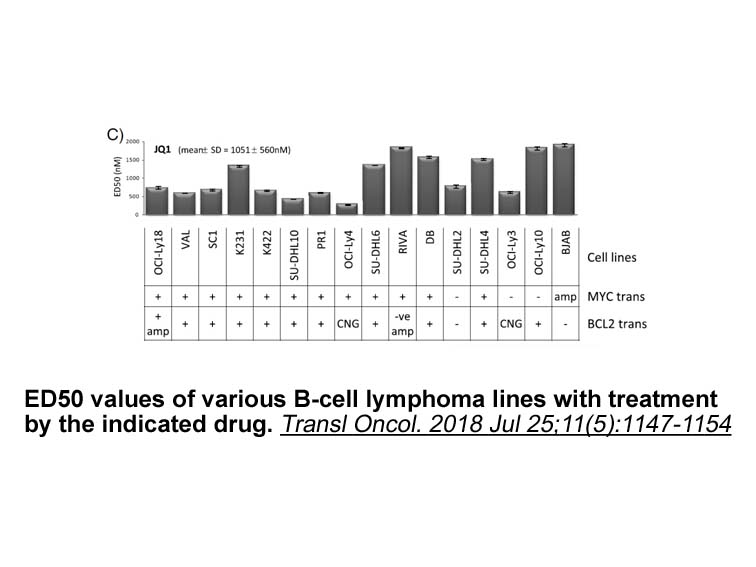
ACh-induced changes in respiratory frequency could be of interest. They may reveal an important mechanism of respiratory modulation at the caudal NTS level. ACh-induced increases in respiratory frequency within this region have been also reported by Furuya et al. (2014). Changes in respiratory timin
-
br Conclusions Triptans are HT B D
2024-04-09
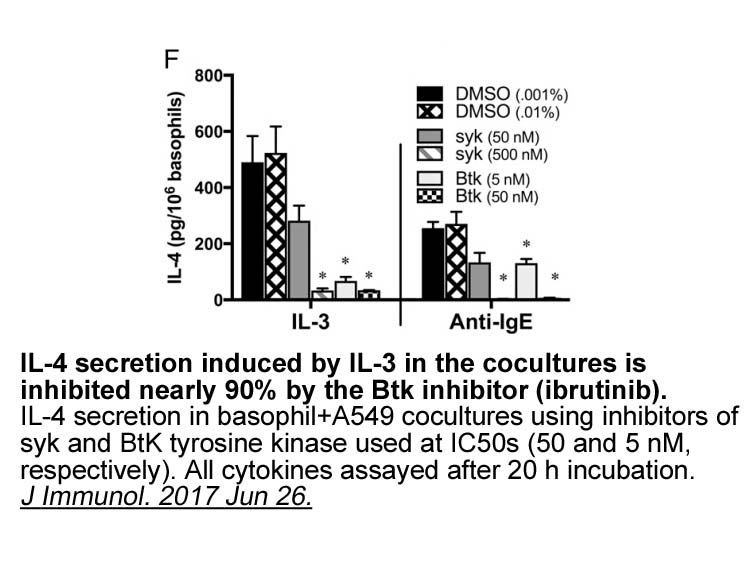
Conclusions Triptans are 5-HT1B/1D/(1F) receptors agonists and are considered as the gold standard for acute migraine treatment that have been proven effective. Unfortunately, they are contraindicated in patients with cardiovascular diseases due to their vasoconstrictor (side) effects (MaassenVan
-
Roles of Aurora kinases in directly activating multiple onco
2024-04-09
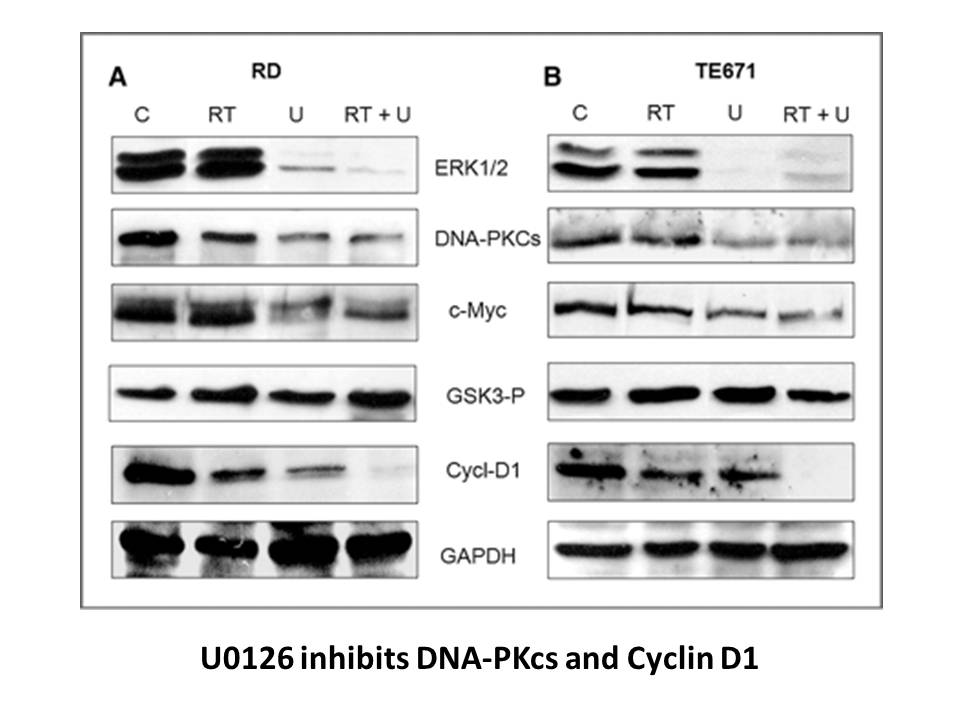
Roles of Aurora kinases in directly activating multiple oncogenic pathways and promoting proliferation as well as transformation have also been demonstrated. Aurora-A has been shown to up-regulate telomerase reverse transcriptase mRNA through c-myc [26]. The kinase was also implicated in activating
-
br Materials and methods Bacterial strains and growth condit
2024-04-09

Materials and methods Bacterial strains and growth conditions. Escherichia coli TOP10 and E. coli BL21Star (DE3) (ThermoFisher, Waltham, MA) were grown at 37 °C in Luria broth (LB) or LB-agar containing kanamycin (50 μg/ml). Bioinformatic analyses. The amino ciprofloxacin sequence of Rv2477c wa
-
The GRAVY value for a protein is calculated
2024-04-09
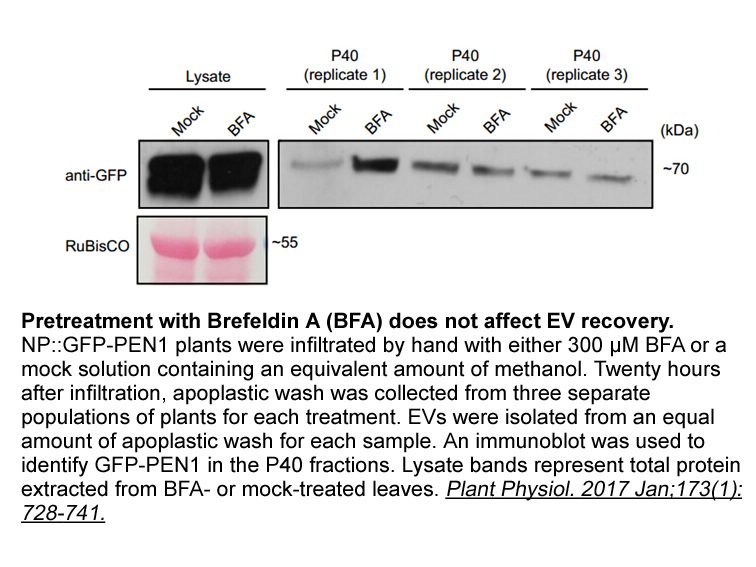
The GRAVY value for a protein is calculated as the sum of hydropathy values of all the amino acids, divided by the number of residues in the sequence (Kyte and Doolittle, 1982). According to Kyte and Doolittle (1982) integral membrane proteins typically have higher GRAVY scores than do globular pro
-
Human lipoxygenase exists in two forms named LOX also named
2024-04-09
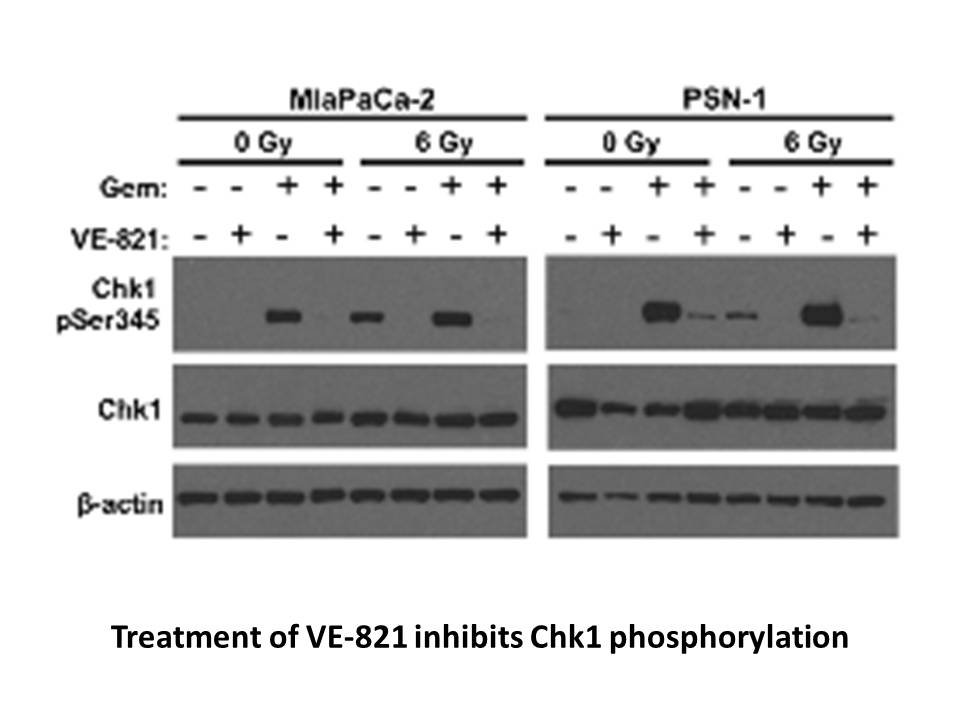
Human 15-lipoxygenase exists in two forms, named 15-LOX-1 (also named 12/15-LOX, 15-LO-1) and 15-LOX-2. Several reports indicate that 15-LOX-1 has a pathophysiological role in respiratory inflammatory diseases, in particular asthma. Increased activity of 15-LOX-1 is displayed in the respiratory trac
-
Although sex hormones activational effects are known
2024-04-08
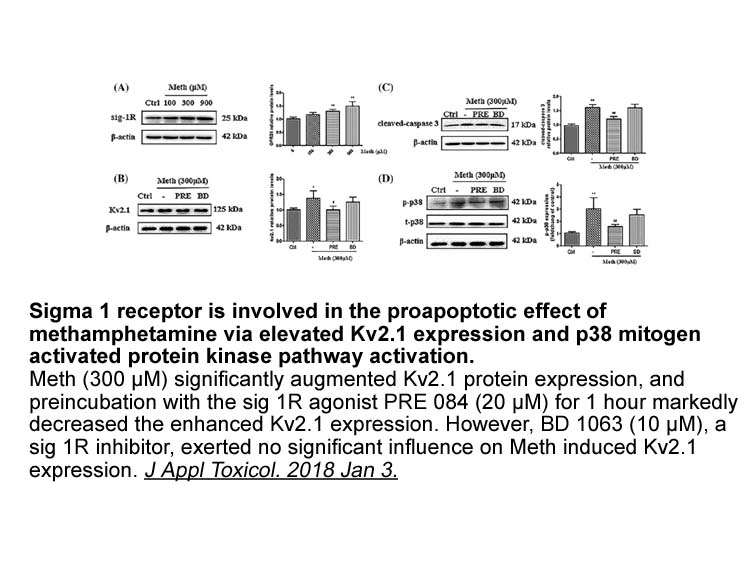
Although sex hormones (activational effects) are known to directly interact with RAS (Baiardi et al., 2005, Miller et al., 1999, Silbiger and Neugarten, 1995), the potential contribution of organizational hormonal and SCC effects on physiological sex-based difference in the regulation of the RAS rem
-
In mice the Tfm mutation increased the anxiety
2024-04-08
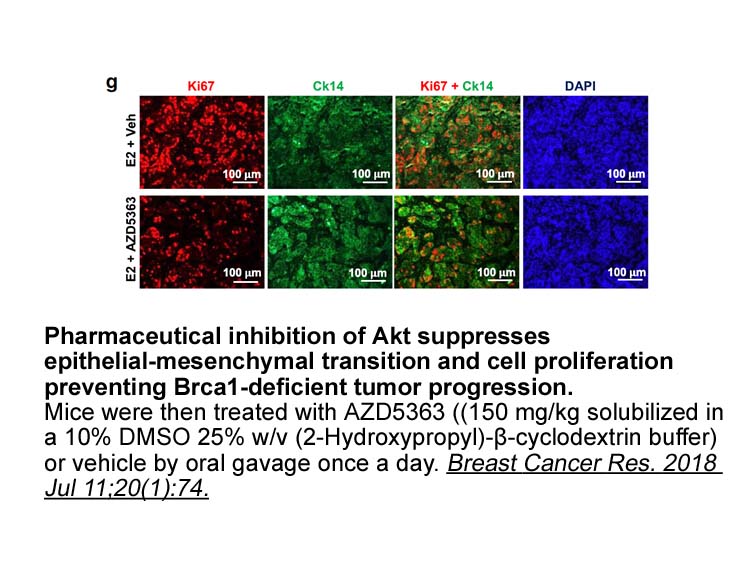
In mice, the Tfm mutation increased the anxiety-state assessed in the novel object and in light/dark box tests, whereas no changes were detected in the open field or elevated plus maze tasks (Zuloaga et al., 2008). As for Tfm rats, this seemed to be related to an increased HPA response to stress. Th
-
br Introduction Metabolic cues are crucial inputs in dictati
2024-04-08
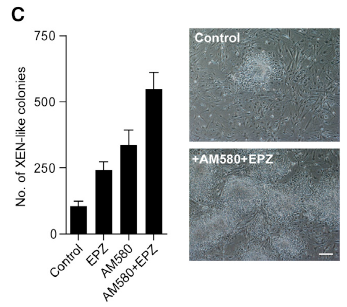
Introduction Metabolic cues are crucial inputs in dictating acute responses through governing cellular signaling pathways as well as in shaping up long-term transcriptional and epigenetic profiles to control chronic cellular responses (Lu and Thompson, 2012). It has been well documented that met
-
br Concluding Remarks and Future
2024-04-08
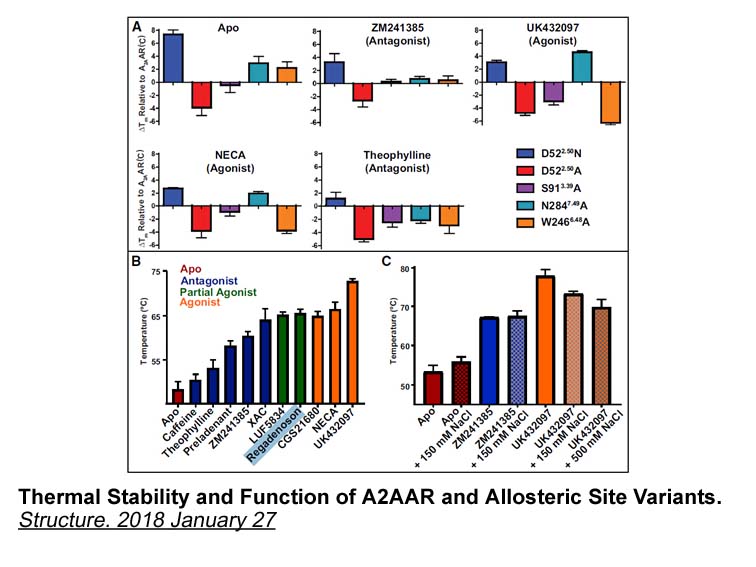
Concluding Remarks and Future Perspectives The collective evidence from studies detailing the functions of AMPK in the neuromuscular system, combined with those in DMD, SMA, and DM1 surveyed in the present review, strongly suggests that AMPK is a central mediator of neuromuscular determination, m
8482 records 202/566 page Previous Next First page 上5页 201202203204205 下5页 Last page