Archives
- 2026-08
- 2026-07
- 2026-06
- 2026-05
- 2026-04
- 2026-03
- 2026-02
- 2026-01
- 2025-12
- 2025-11
- 2025-10
- 2025-09
- 2025-03
- 2025-02
- 2025-01
- 2024-12
- 2024-11
- 2024-10
- 2024-09
- 2024-08
- 2024-07
- 2024-06
- 2024-05
- 2024-04
- 2024-03
- 2024-02
- 2024-01
- 2023-12
- 2023-11
- 2023-10
- 2023-09
- 2023-08
- 2023-07
- 2023-06
- 2023-05
- 2023-04
- 2023-03
- 2023-02
- 2023-01
- 2022-12
- 2022-11
- 2022-10
- 2022-09
- 2022-08
- 2022-07
- 2022-06
- 2022-05
- 2022-04
- 2022-03
- 2022-02
- 2022-01
-
ar 165 1 br Challenges and open questions Deepening our unde
2022-02-18
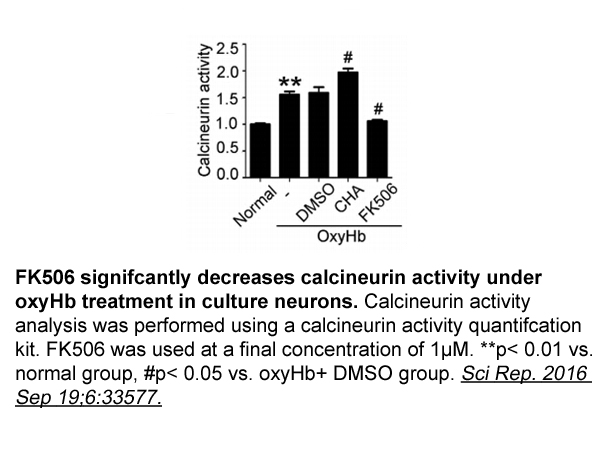
Challenges and open questions Deepening our understanding of PKC’s role in GSIS will require harnessing recently developed techniques and developing new tools. Here we describe three challenges remaining in the field and offer suggestions on experimental approaches to address them. PKC plays an
-
br Visualizing single synaptic vesicle exocytosis
2022-02-18

Visualizing single synaptic vesicle sodium salt at CNS synapses We visualized the dynamics of individual synaptic vesicles as they fuse and immediately before fusion at the mammalian conventional synapses for the first time (Midorikawa and Sakaba, 2015). We use a calyx of Held terminal, a large p
-
A small number of patients had
2022-02-18
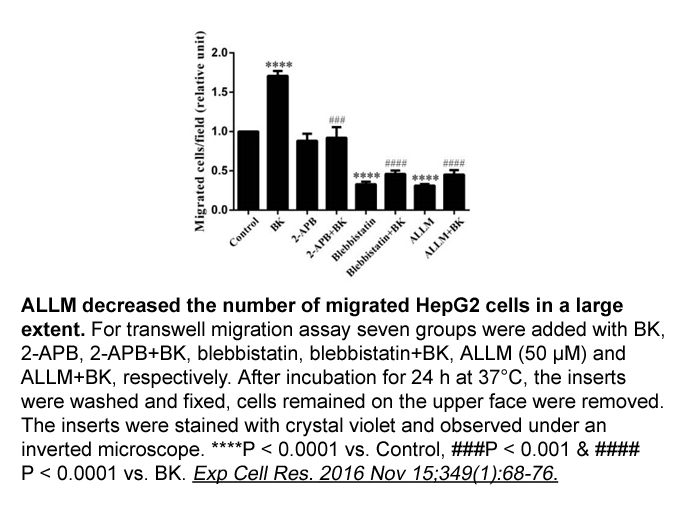
A small number of patients (11%) had accessory integrase mutations (E157Q, G163R, L74IM, and/or V151I) that confer potential or low-level resistance and generally only when they occur in combination with other high/intermediate level resistance mutations. This is a somewhat higher incidence than tha
-
This connection is supported by studies in the SIV
2022-02-18
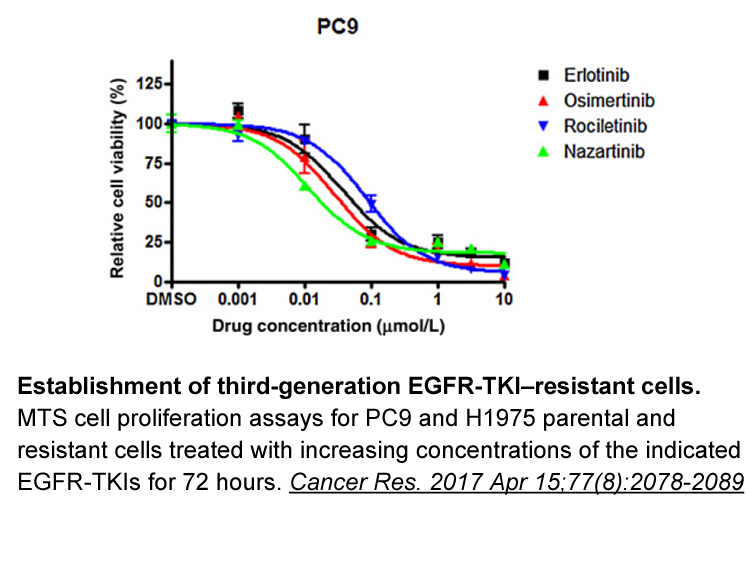
This connection is supported by studies in the SIV macaque model of HIV, where treatment with methamphetamine, which greatly enhances CNS dopamine levels (Truong, 2005); increased ataluren viral load. Methamphetamine also increased expression of the HIV co-receptor CCR5 in CNS macrophages, thereby
-
Thus both in Drosophila and mammals the
2022-02-18
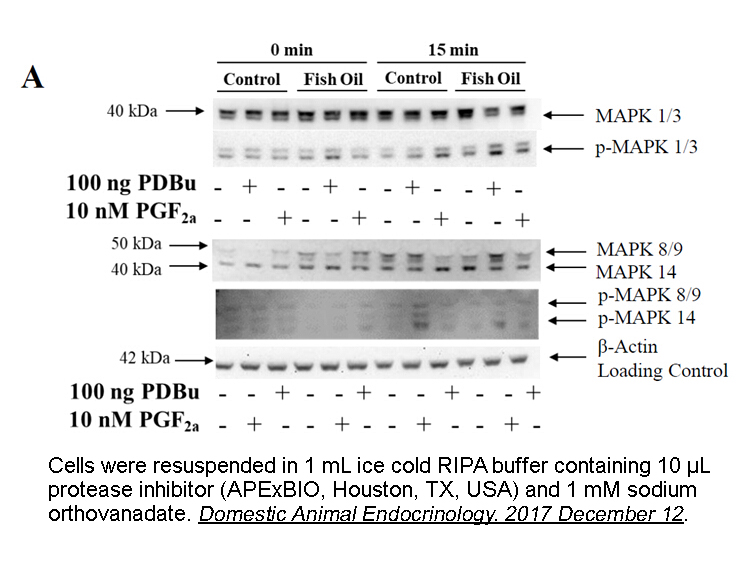
Thus, both in Drosophila and mammals, the Hippo pathway responds to cell–cell junctions via an apical NF2/Mer-containing complex. Indeed, Hippo signalling and NF2 are required for contact inhibition of growth in cell culture, which is thought to reflect an in vivo function as a sensor of tissue crow
-
Thus both in Drosophila and mammals the
2022-02-18
Thus, both in Drosophila and mammals, the Hippo pathway responds to cell–cell junctions via an apical NF2/Mer-containing complex. Indeed, Hippo signalling and NF2 are required for contact inhibition of growth in cell culture, which is thought to reflect an in vivo function as a sensor of tissue crow
-
Analysis of the thermosensory responses conferred by chimeri
2022-02-17
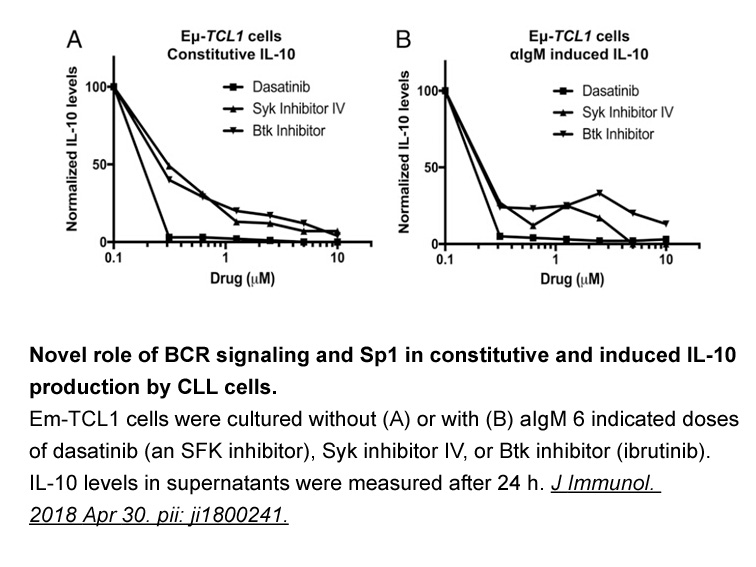
Analysis of the thermosensory responses conferred by chimeric proteins suggests that both the ECD and ICD of AFD-rGCs contribute to their thermoresponsive properties. The presence of the GCY-18 or GCY-23 ICD and TMD in chimeric protein combinations generally corresponds to a higher or lower , respec
-
br Acknowledgments This review is based in part
2022-02-17
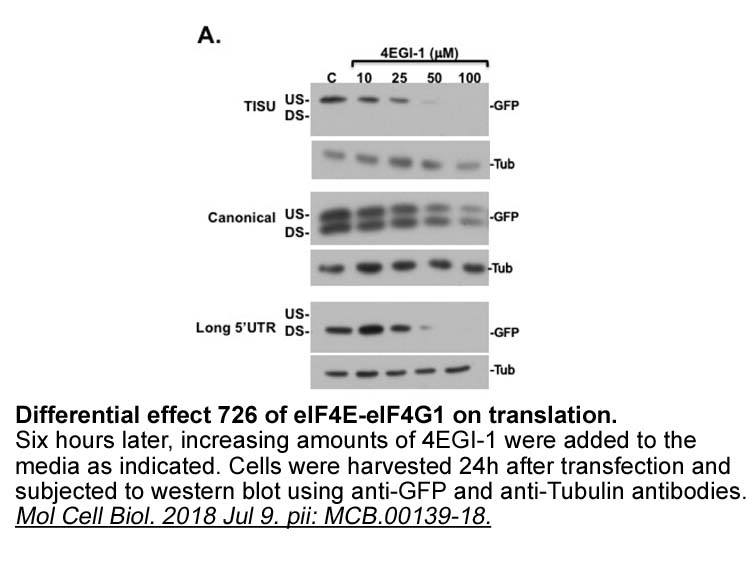
Acknowledgments This review is based in part on research conducted with financial support from the General Research Fund (17112914) of the Hong Kong Research Grant Council and from the Seed Funding Programme for Basic Research by University Research Committee of the University of Hong Kong (20151
-
GSK is inhibited by serine phosphorylation at a residue
2022-02-17
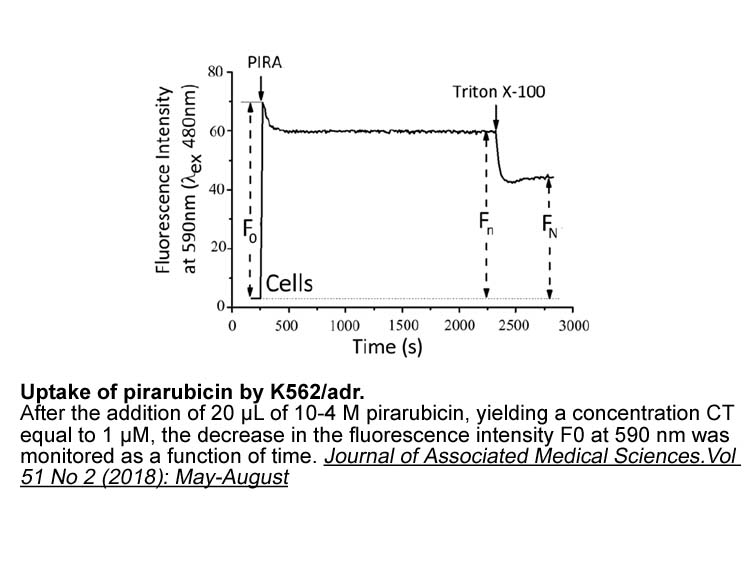
GSK-3 is inhibited by serine ritodrine at a residue its N-terminus (Ser 9 in GSK-3β and Ser 21 in GSK-3α) [52], [53], [54]. This raised the possibility that the N-terminal tail may function as a pseudo-substrate by mimicking the pre-phosphorylated substrate. The interaction mode of the pseudo-subst
-
GnRH ant have been designed to obtain pharmacological compou
2022-02-17
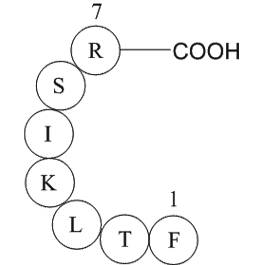
GnRH-ant have been designed to obtain pharmacological compounds to block the pituitary–gonadal axis without the undesirable flare effect exerted by GnRH itself or by the GnRH-a (see Section 2.2). GnRH-ant competitively block the binding of GnRH to GnRHRs (Schally, 1999; Tan & Bukulmez, 2011); they p
-
Reports of hyperlocomotion after administration of ALX coupl
2022-02-17

Reports of hyperlocomotion after administration of ALX-5407 [27] coupled with the lack of hyperlocomotion after administration of SSR504734, a non-sarcosine, long-residence time, competitive inhibitor [19], suggested that the GlyT1 inhibitor chemotype may impact OP. Furthermore, a compound with a co
-
br Advanced Glycation Endproducts As glucose levels rise wit
2022-02-17
Advanced Glycation Endproducts As glucose levels rise within sensory neurons as a result of hyperglycemia, normal metabolic pathways become overwhelmed and excess glucose is shunted into other ancillary pathways that, under these conditions, become damaging. One consequence of hyperglycemia is th
-
Up to now many UDG
2022-02-17
Up to now, many UDG assays have been reported based on the design of dU-containing substrate DNA, which can be roughly divided into two categories according to the sensing mechanisms. One type of UDG assays are simply based on the physical or chemical property changes of the substrate accompanied wi
-
Introduction The hypoglossal nucleus is the
2022-02-17
Introduction The hypoglossal nucleus is the nucleus of the twelfth cranial nerve and is located on both sides of the mid line in the dorsal medulla oblongata and is situated between the proximal end of the medullary central canal and the beginning of the fourth ventricle (Tomasch and Etemadi, 1962)
-
We confirmed a decrease in extracellular glutamate uptake an
2022-02-17
We confirmed a decrease in extracellular glutamate uptake and the presence of efflux in an endothelial cell model of oxygen-glucose deprivation (OGD), which effectively simulates the inefficient energy supply after brain injury [15], and analysed the function of endothelial EAATs and explored the ro
8479 records 539/566 page Previous Next First page 上5页 536537538539540 下5页 Last page