Archives
- 2026-06
- 2026-05
- 2026-04
- 2026-03
- 2026-02
- 2026-01
- 2025-12
- 2025-11
- 2025-10
- 2025-09
- 2025-03
- 2025-02
- 2025-01
- 2024-12
- 2024-11
- 2024-10
- 2024-09
- 2024-08
- 2024-07
- 2024-06
- 2024-05
- 2024-04
- 2024-03
- 2024-02
- 2024-01
- 2023-12
- 2023-11
- 2023-10
- 2023-09
- 2023-08
- 2023-07
- 2023-06
- 2023-05
- 2023-04
- 2023-03
- 2023-02
- 2023-01
- 2022-12
- 2022-11
- 2022-10
- 2022-09
- 2022-08
- 2022-07
- 2022-06
- 2022-05
- 2022-04
- 2022-03
- 2022-02
- 2022-01
- 2021-12
- 2021-11
- 2021-10
- 2021-09
- 2021-08
- 2021-07
- 2021-06
- 2021-05
- 2021-04
- 2021-03
- 2021-02
- 2021-01
- 2020-12
- 2020-11
- 2020-10
- 2020-09
- 2020-08
- 2020-07
- 2020-06
- 2020-05
- 2020-04
- 2020-03
- 2020-02
- 2020-01
- 2019-12
- 2019-11
- 2019-10
- 2019-09
- 2019-08
- 2019-07
- 2019-06
- 2019-05
- 2019-04
- 2018-11
- 2018-10
- 2018-07
-
br Results br Discussion Unraveling the
2021-02-09
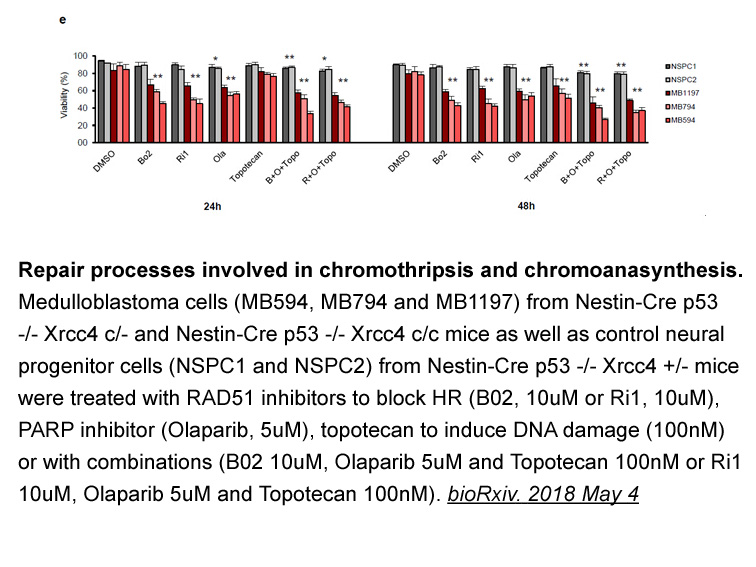
Results Discussion Unraveling the molecular details of nucleoporin-karyopherin interactions, which have to be strong enough to promote transport but sufficiently weak to avoid stalling of transport complexes within the pore, is key to our understanding of the mechanisms of nucleocytoplasmic tr
-
nearly br Results br Discussion This study assesses impacts
2021-02-09
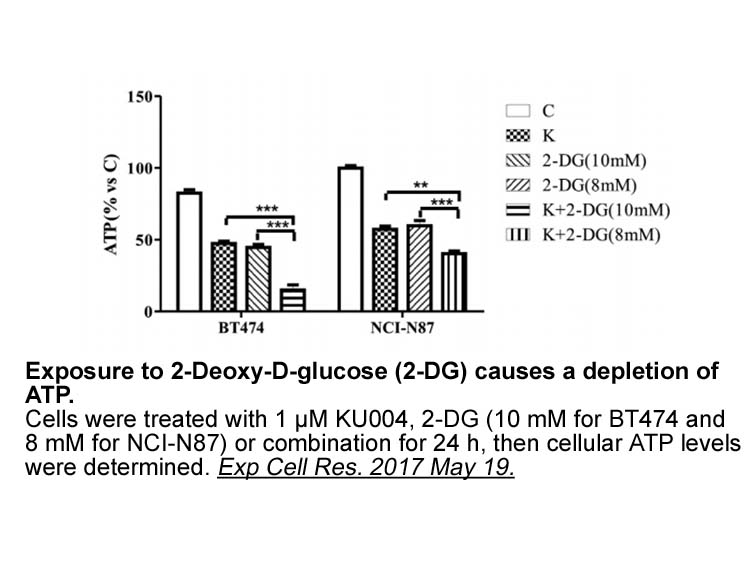
Results Discussion This study assesses impacts of HLA-DPB1 and CMV reactivation on GVHD, relapse, and OS after allo-HSCT. Here we demonstrate that HLA-DPB1 and CMV reactivation both increase aGVHD risk independently. Consistent with reported data, we show that HLA-DPB1 mismatching is associate
-
The causes of POD are complex and not entirely clear
2021-02-09
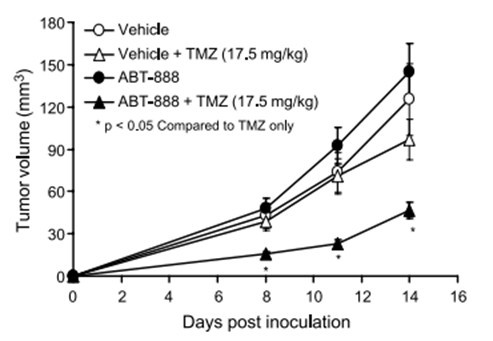
The causes of POD are complex, and not entirely clear. Androsova et al, believed that the main molecular mechanism of POD is a central cholinergic deficiency caused by deregulation of cholinergic anti-inflammatory pathways leading to increased inflammation. The cholinergic anti-inflammatory pathway,
-
In some of our studies we examined the occurrence
2021-02-09
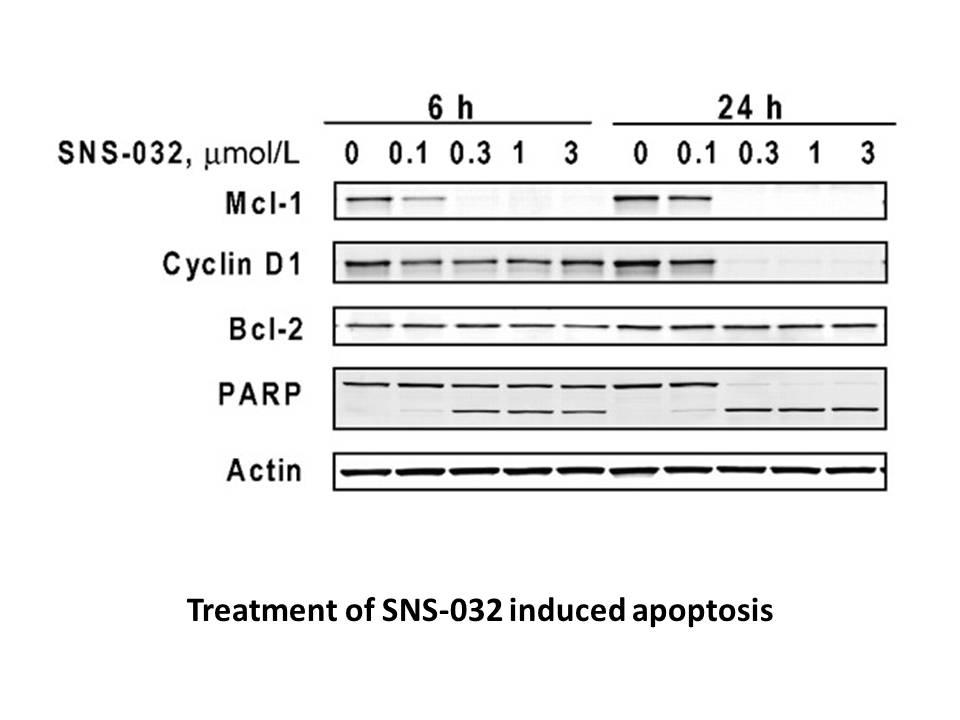
In some of our studies we examined the occurrence of ERβ and SHBG and a possible colocalization between them. Fig. 5 shows that there is no big difference in the occurence of ERβ after short time (A) as well as long time (B) treatment with E2. We can find the receptor at the cell membrane as well as
-
In this report we established mouse models suitable for huma
2021-02-09
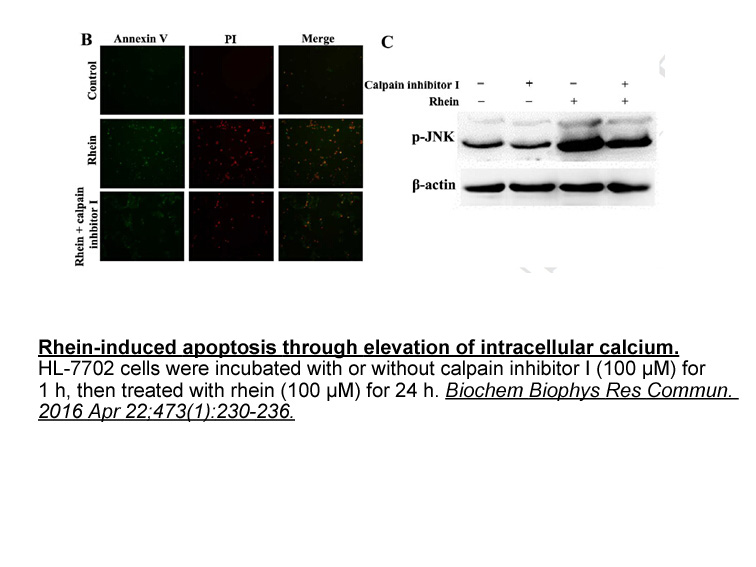
In this report, we established mouse models suitable for human retinal cell transplantation by introducing phosphodiesterase 6B (Pde6b) mutant allele from retinal degeneration (rd) mouse models into NOG background. Pde6b (rd1) and Pde6b (rd10) mice are well-studied and frequently used animal models
-
br Acknowledgements br Introduction Ischemic
2021-02-09
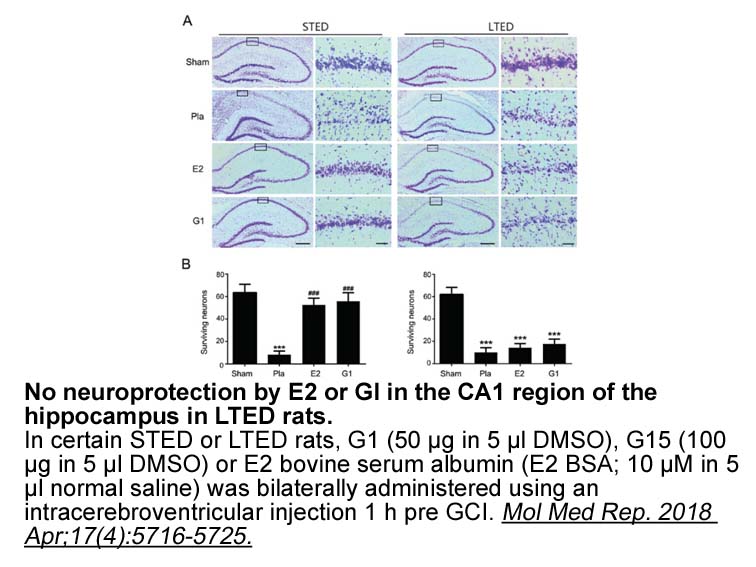
Acknowledgements Introduction Ischemic retinopathy is common to the major causes of blindness, including proliferative diabetic retinopathy, venous occlusion, and retinopathy of prematurity. The hypoxia that follows retinal capillary obliteration drives deregulated growth of new blood vessels
-
In addition to PGC transcriptional co repressors such
2021-02-09
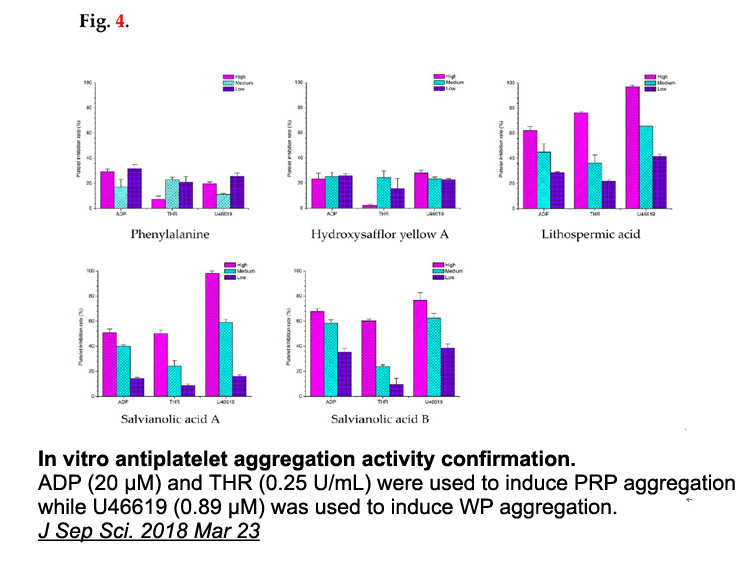
In addition to PGC1α, transcriptional co-repressors such as NCOR and RIP140 participate in oxidative muscle remodeling induced by exercise, whereby reductions in their expression and the resulting de-repression of downstream TFs activates oxidative gene expression (Seth et al., 2007, Yamamoto et al.
-
It has been reported that cAMP also acts
2021-02-09
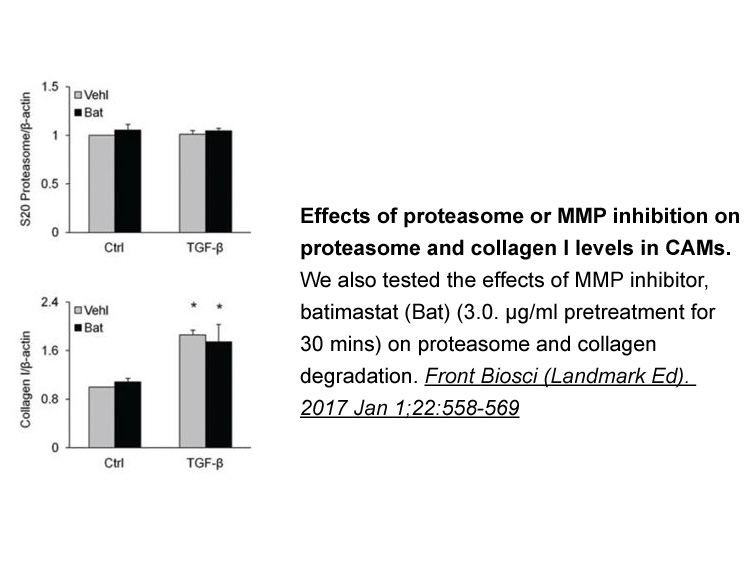
It has been reported that cAMP also acts via Epac and Epac to attenuate CREB. However, in human monocytes ONO-AE1-329 (the EP4 receptor agonist used in this study) worked entirely through the cAMP-PKA pathway and not vis Epac [12]. Our data suggests that the cAMP-PKA-CREB pathway predominates for M
-
br Acknowledgements This study was financially supported by
2021-02-09
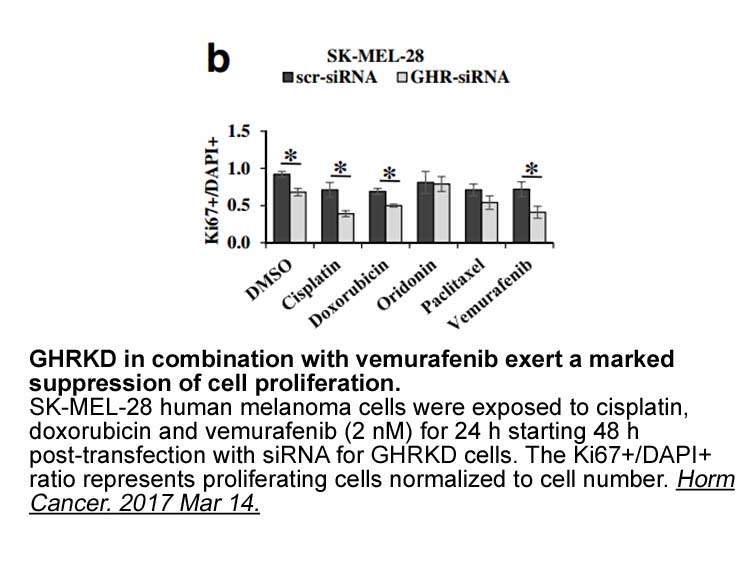
Acknowledgements This study was financially supported by the National Special Research Programs for Non-Profit Trades (Agriculture) (Grant No. 201303045) and the Basic Foundation for Scientific Research of the State-level Public Welfare Institutes of China (Grant No. 2013JB10). Introduction L
-
A growing number of other
2021-02-09
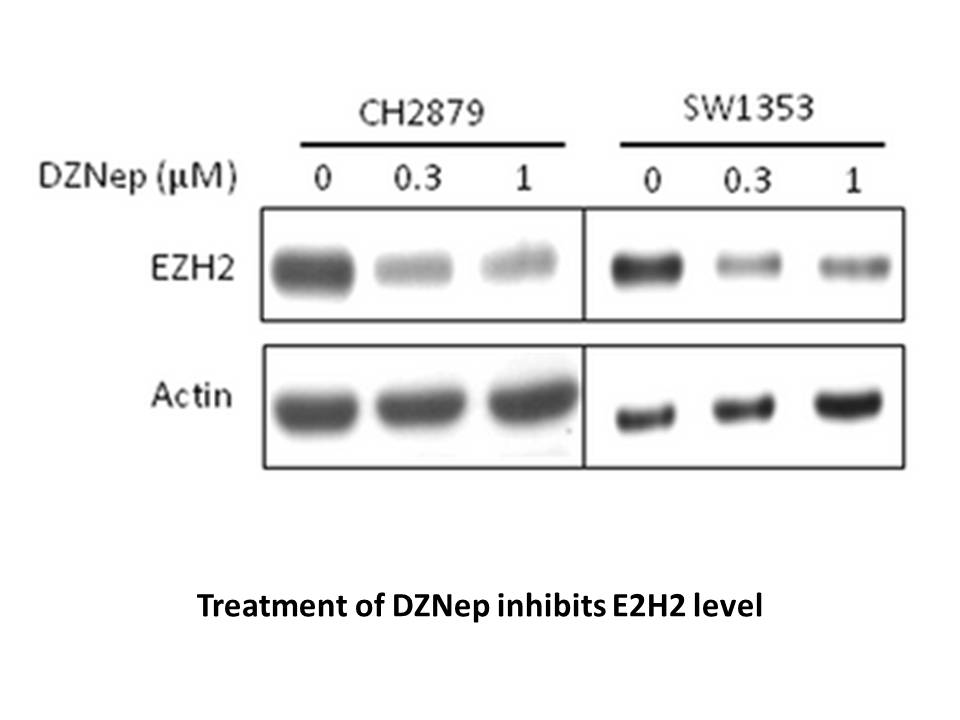
A growing number of other post-translational modifications are implicated in regulation of the ubiquitin system, including substrate modification by hydroxylation, glycosylation, acetylation, methylation, modification by poly(ADP-ribose) (PAR), and attachment of ubiquitin-like modifiers. The HIF1-α
-
Historically covalent drugs have had great success
2021-02-09
Historically, covalent drugs have had great success (e.g., aspirin and penicillin), and covalent drugs have become a focus in anticancer and antiviral drug discovery (Kalgutkar and Dalvie, 2012, Singh et al., 2011). These compounds contain low reactivity warheads that allow covalent adducts to form
-
GF 109203X Other factors also contribute to replication fork
2021-02-09
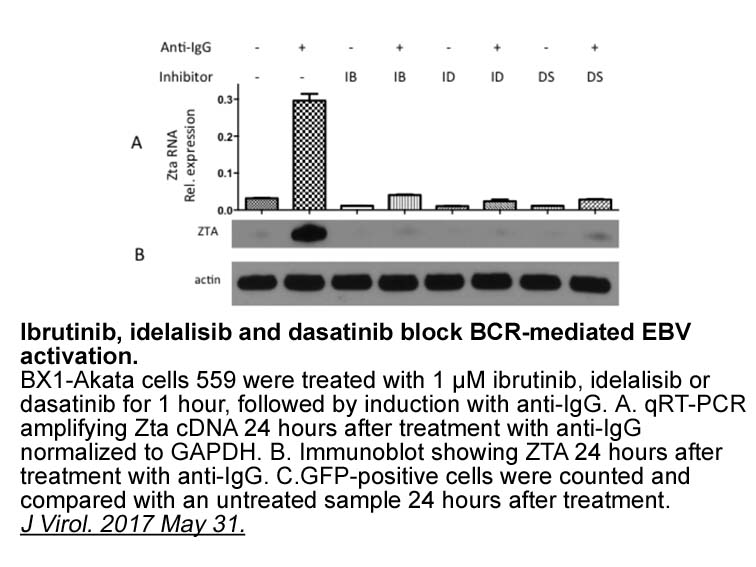
Other factors also contribute to replication fork progression in DNA damage conditions. For instance, the cullin Rtt101 has a role in fork movement through alkylated DNA, probably associated to a damage tolerance mechanism [52], and TORC signaling is also important for fork progression in response t
-
DGK is distributed exclusively in the brain particularly in
2021-02-08
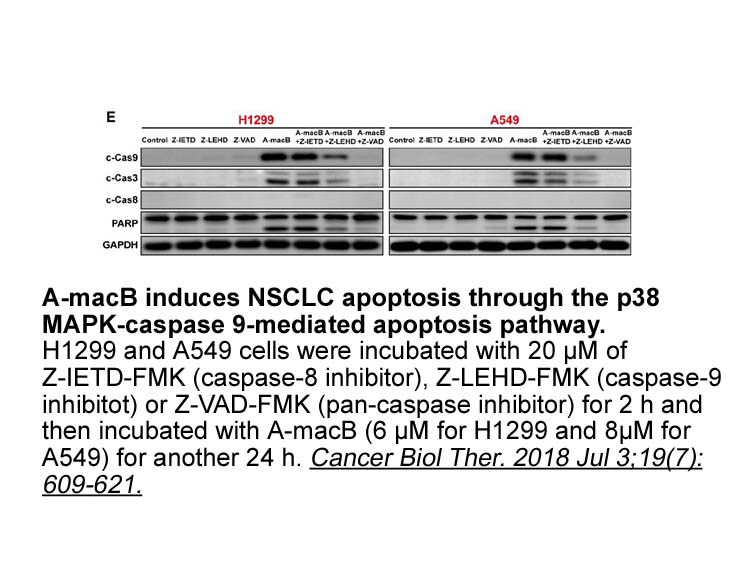
DGKβ [9] is distributed exclusively in the brain, particularly in the striatum, cerebral cortex, olfactory bulb, and hippocampus [9,10]. This isozyme accumulates at the perisynaptic sites of medium spiny neurons in the striatum [11]. The Vacuolin-1 of DGKβ rapidly increases after 14 days of age, aft
-
Another notable finding in this
2021-02-08
Another notable finding in this study is that Cbl-b-mediated ubiquitination accelerates the degradation of phosphorylated DDR2. Cbl family has been documented to facilitate RTK degradation either in proteasome through K48-linked poly-ubiquitination or in lysosome through mono-, multiple mono- and K6
-
In Hevea brasiliensis both the
2021-02-08
In Hevea brasiliensis, both the soluble PPase and the membrane-bound V-PPase are present in the latex; the soluble PPase is in the C-serum (cytosol) of the latex [6] and the V-PPase is on the tonoplast of the lutoid, a special vacuole in the laticifers of rubber trees [7]. The V-PPase on the lutoid
16728 records 744/1116 page Previous Next First page 上5页 741742743744745 下5页 Last page