Archives
- 2026-04
- 2026-03
- 2026-02
- 2026-01
- 2025-12
- 2025-11
- 2025-10
- 2025-09
- 2025-03
- 2025-02
- 2025-01
- 2024-12
- 2024-11
- 2024-10
- 2024-09
- 2024-08
- 2024-07
- 2024-06
- 2024-05
- 2024-04
- 2024-03
- 2024-02
- 2024-01
- 2023-12
- 2023-11
- 2023-10
- 2023-09
- 2023-08
- 2023-07
- 2023-06
- 2023-05
- 2023-04
- 2023-03
- 2023-02
- 2023-01
- 2022-12
- 2022-11
- 2022-10
- 2022-09
- 2022-08
- 2022-07
- 2022-06
- 2022-05
- 2022-04
- 2022-03
- 2022-02
- 2022-01
- 2021-12
- 2021-11
- 2021-10
- 2021-09
- 2021-08
- 2021-07
- 2021-06
- 2021-05
- 2021-04
- 2021-03
- 2021-02
- 2021-01
- 2020-12
- 2020-11
- 2020-10
- 2020-09
- 2020-08
- 2020-07
- 2020-06
- 2020-05
- 2020-04
- 2020-03
- 2020-02
- 2020-01
- 2019-12
- 2019-11
- 2019-10
- 2019-09
- 2019-08
- 2019-07
- 2019-06
- 2019-05
- 2019-04
- 2018-11
- 2018-10
- 2018-07
-
The first mammalian mutation linked to
2020-03-09

The first mammalian mutation linked to CR was identified in golden hamsters (Mesocricetus auratus). The mutation was an autosomal allele first described in the late 1980s [8] and was identified using positional cloning [9]. These animals displayed a shortened period length (20h in homozygous animals
-
br Introduction The development of non melanoma
2020-03-09
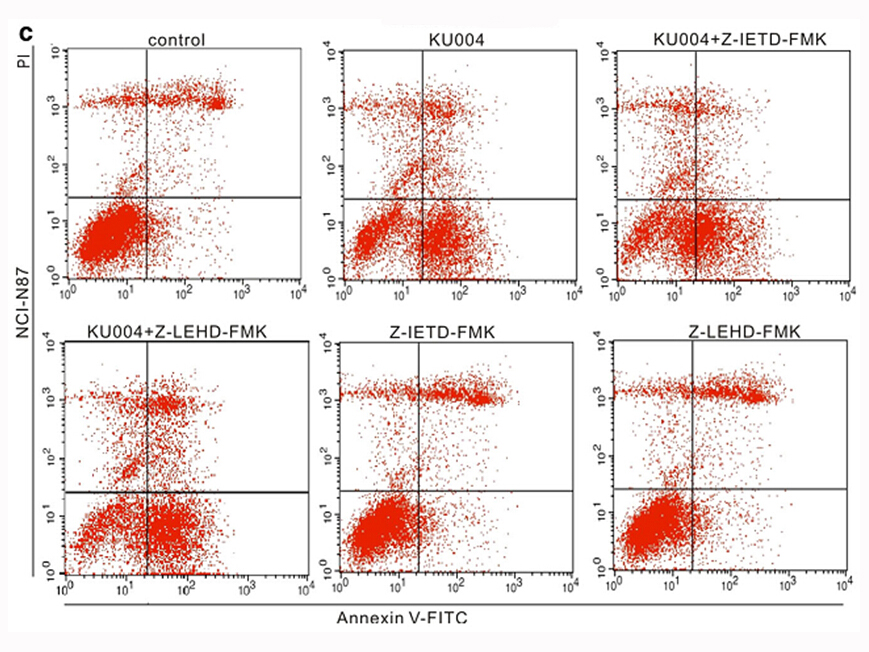
Introduction The development of non-melanoma skin cancer (NMSC) is a complex process characterized by the acquisition of altered proliferation and invasiveness. These changes are classically defined as occurring in stages, i.e., initiation, promotion, and progression. In the two-stage model of in
-
It is believed that emphysema in smokers
2020-03-09
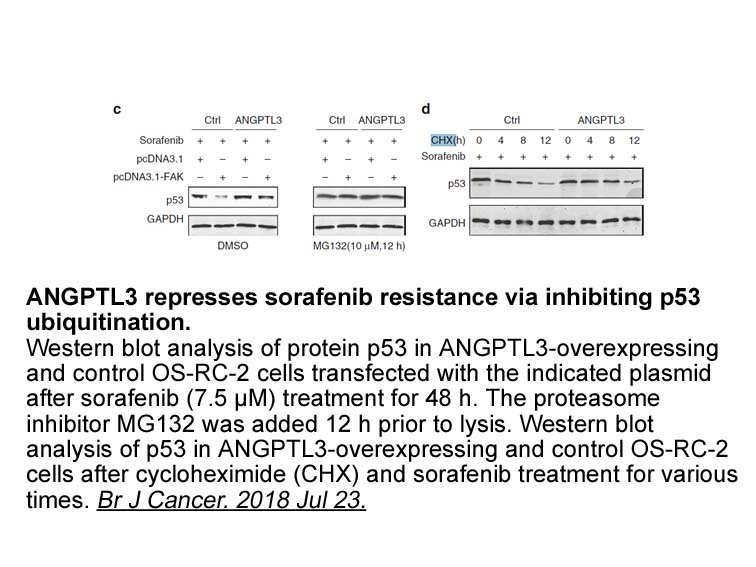
It is believed that emphysema in smokers is mediated by proteases released from inflammatory Meropenem trihydrate that cause destruction of the extracellular matrix in alveolar septa [1]. Metalloprotease-12 is mainly released by macrophages and is considered the enzyme responsible for emphysematous
-
br The ubiquitin proteasome system The
2020-03-07
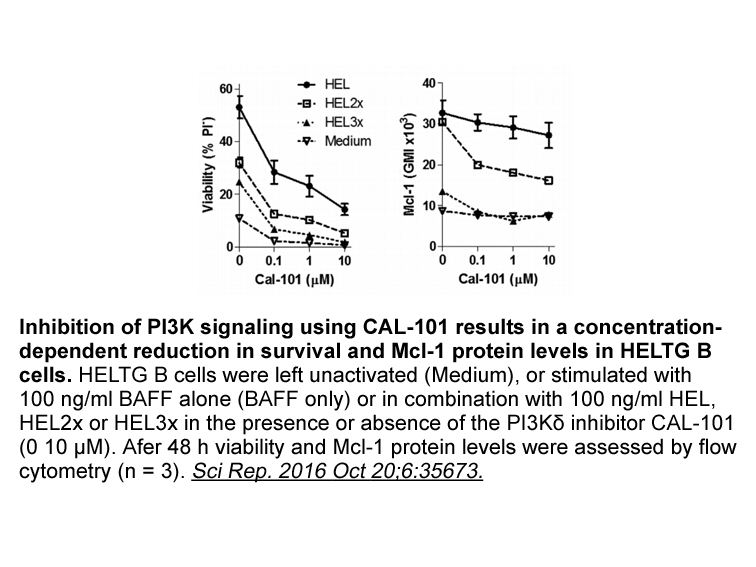
The ubiquitin proteasome system The ubiquitin proteasome system (UPS) plays a significant role in the regulation of cell growth and survival, in addition to maintaining cellular homeostasis. By means of the UPS, Prednisone can precisely and temporally degrade approximately 80% of the entire prote
-
br The role of TNFs
2020-03-07
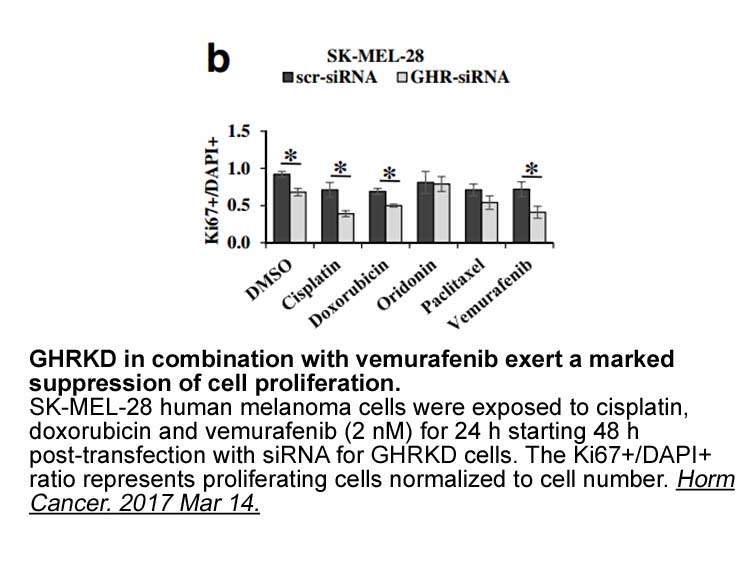
The role of TNFs and AD The TNF superfamily includes 19 members that can bind 29 different receptors [56, 57]; the 19 members are Lta, TNF-α, lymphotoxin-β (LTβ), OX40L, TNF associated activation protein (TRAP, also named CD40L or gp39), factor associated suicide ligand (FasL), CD70, CD153, 4-1BB
-
Cynomolgus HGF / Hepatocyte Growth Factor Protein NPC L NPC
2020-03-07
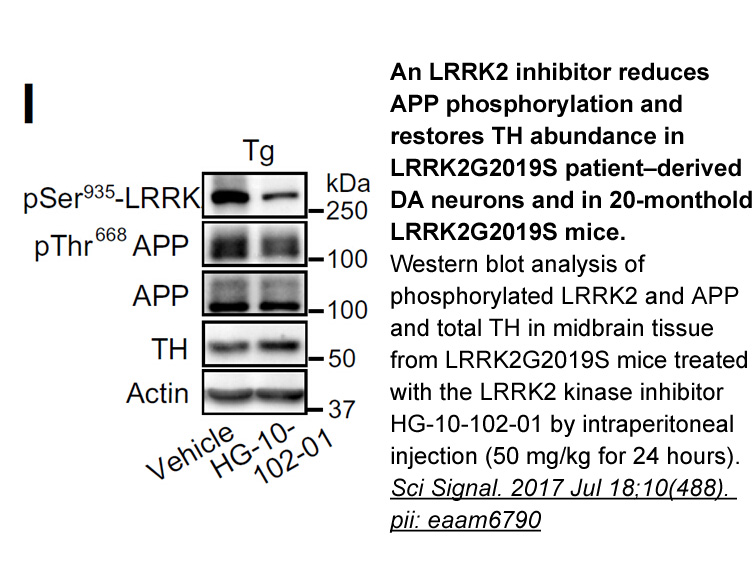
NPC1L1 (NPC1 [Niemann-Pick C-like-1]-like intracellular cholesterol transporter) is the rate-limiting transmembrane transporter for cholesterol Cynomolgus HGF / Hepatocyte Growth Factor Protein from the intestinal lumen, and it mediates the absorption of both dietary and biliary cholesterol., , N
-
br Declaration of conflicting interests
2020-03-07
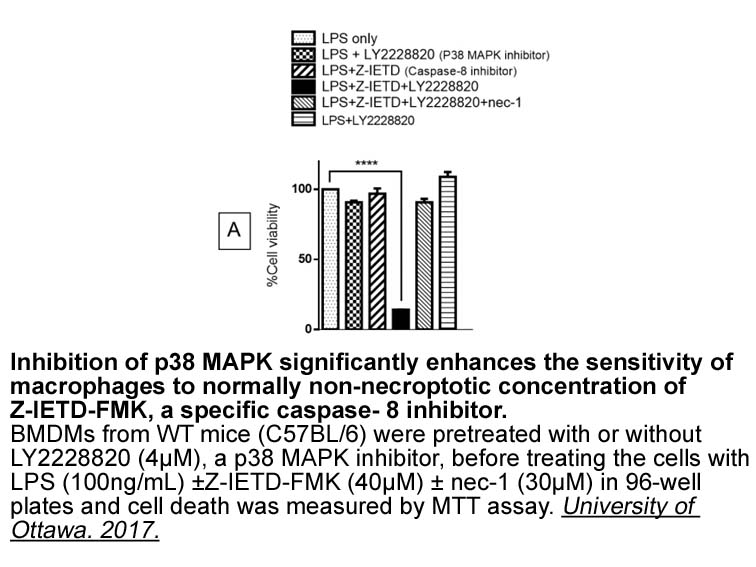
Declaration of conflicting interests Funding The author(s) disclosed receipt of the following financial support for the research, authorship, and/or publication of this article: This work was supported by CT Stem Cell grant # 15-RMB-YALE-07 (to L.E.N), and by an unrestricted Research Gift from
-
Prostaglandin E PGE is involved in several biological proces
2020-03-07
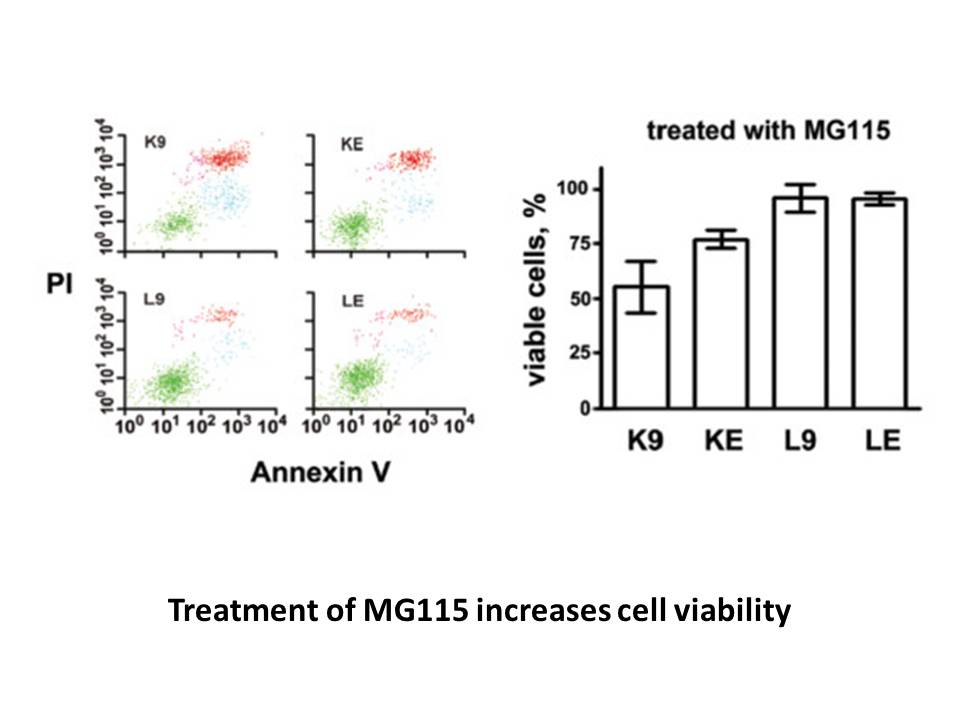
Prostaglandin E2 (PGE2) is involved in several biological processes such as renal function, inflammation, angiogenesis, and tumor growth. The various biological effects of PGE2 are mediated by the so-called E-type prostanoid receptors (EP1 to EP4). Among these, the EP4 receptor has been well studied
-
Although information regarding the influence of
2020-03-07
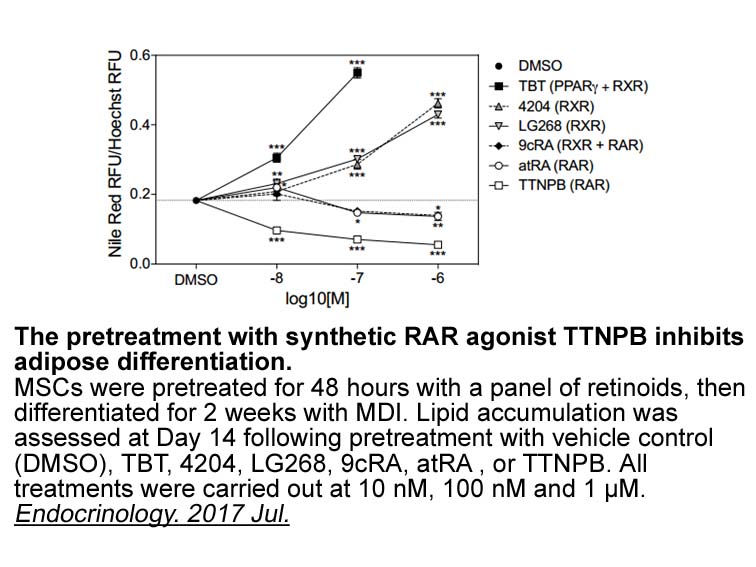
Although information regarding the influence of PGE2 on cardiac fibroblast cell growth is sparse, the effect of PGE2 on other cell types has been studied extensively, particularly in cancer and cancer cell lines where COX-2 is over-expressed. Constitutive high levels of COX-2 expression have been no
-
In regards to regional variation in metabolic behavior
2020-03-07
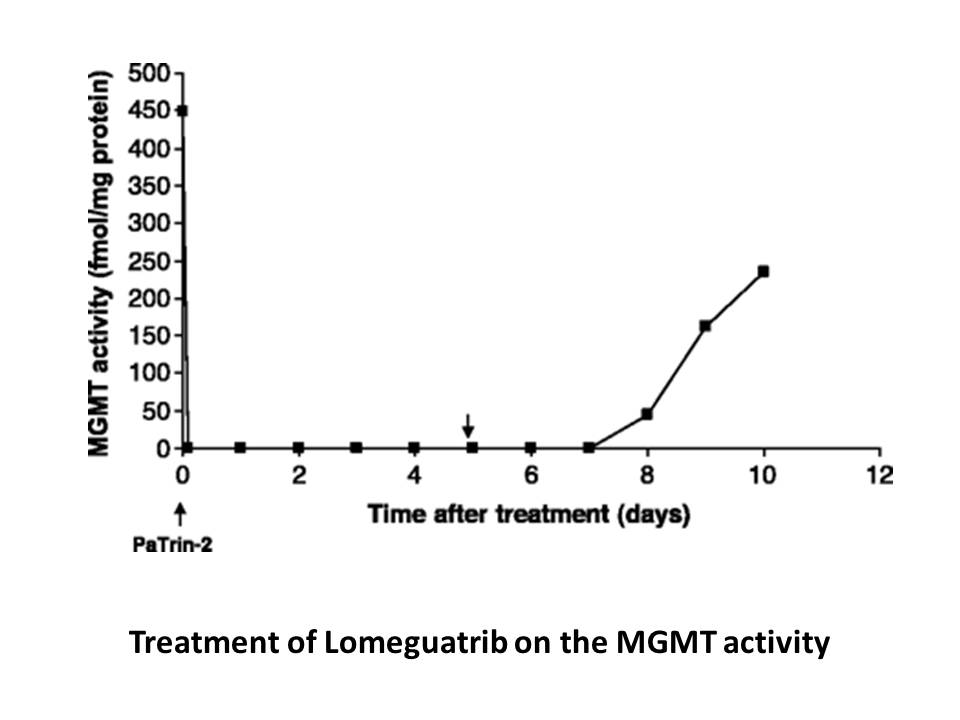
In regards to regional variation in metabolic behavior of adipose tissue, subcutaneous adipose tissue transplantation has been shown to reprogram visceral adipose tissue to have subcutaneous-like phenotypic behavior, whereas visceral-to-subcutaneous transplantation does not promote a more detrimenta
-
Introduction CYP is a superfamily of
2020-03-07
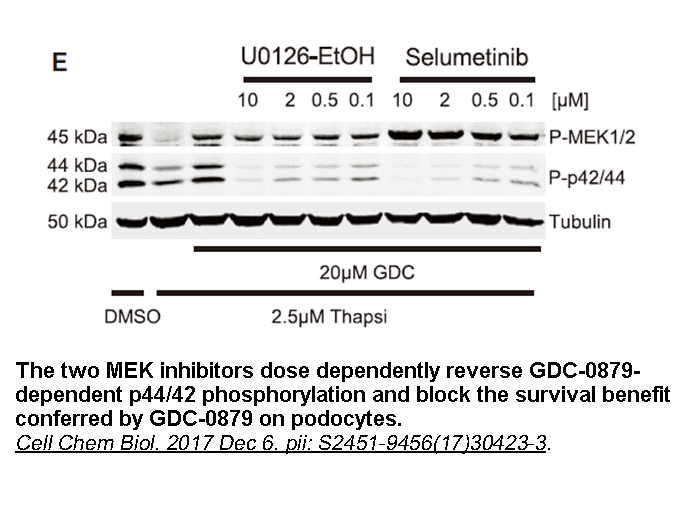
Introduction CYP450 is a superfamily of heme-containing monooxygenases, many of which are expressed in the liver, and they are significant phase-I h89 in drug metabolism and detoxification. There are three subfamilies (CYP1, CYP2 and CYP3) that are mainly involved in the metabolism of drugs in bot
-
In conclusion we demonstrate that infection of salmon cells
2020-03-07
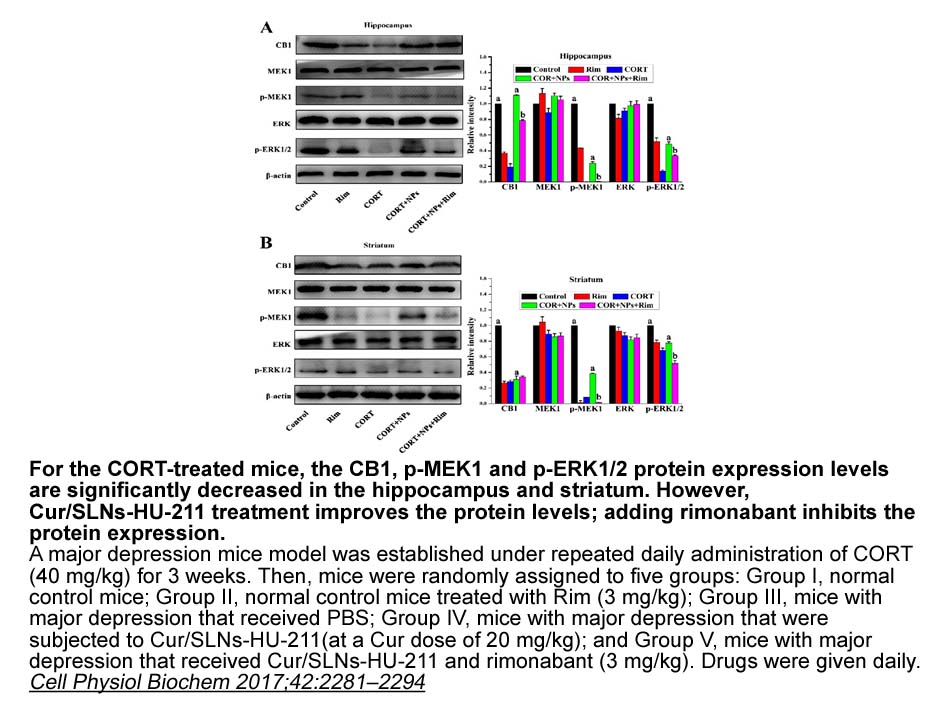
In conclusion we demonstrate that infection of salmon cells with ISAV induce the main branches of the cellular UPR machinery, but also one of its main negative regulators, GADD34. This is probably important for maintaining translation of interferon and interferon stimulated genes (ISGs), keeping ISA
-
A study profiling chemokine expression in
2020-03-07
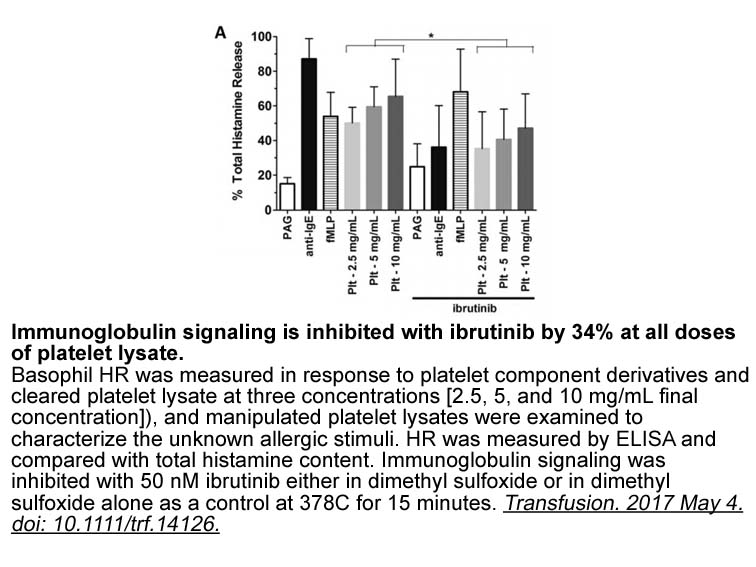
A study profiling chemokine expression in LCLs revealed high expression levels of CCR6, CCR7, and CCR10 and low expression of CXCR4 and CXCR5 in EBV immortalized cells. Accordingly, LCLs showed a markedly increase in migration in response to the ligands of CCR6 (CCL20), CC7 (CCL21), and CCR10 (CCL28
-
Herein in continuation of our interest in designing
2020-03-07
Herein, in continuation of our interest in designing new DNA photocleavage agents [18], we report the synthesis, characterization and DNA binding and cleaving properties of a novel compound: trans-N,N-dimethyl-10,11-di(pyridin-4-ium)-10,11-dihydro-9,12-dioxobenzo[e]phenanthrene tetrafluoroborate (1)
-
DNA methylation assay To test
2020-03-07

DNA methylation assay. To test the biological activity of purified A1S_0222, a methylation assay was performed using the Int1 DNA. As an alternative DNA substrate, Seq3 (located in gene A1S_0965 of A. baumannii ATCC 17978) was amplified from Acinetobacter baumannii 29D2 using the oligonucleotides Se
16638 records 907/1110 page Previous Next First page 上5页 906907908909910 下5页 Last page